

GLP-1 Medications: A Chinese Medicine Perspective on Digestion
More and more of the women I see are on a GLP-1 medication, or thinking about starting one. This isn't a piece about whether that's the right decision. That is yours to make, in conversation with your doctor, not mine to weigh in on.
What I do want to offer is a Chinese Medicine lens on what's actually happening in the body while you're on one, because it explains a lot of what patients tell me they're feeling, and it changes what kind of support is genuinely useful.
What GLP-1 medications actually do
GLP-1 medications work, in large part, by slowing gastric emptying. Food sits in the stomach for longer, which is a big part of why appetite drops and fullness comes on faster. That's the intended effect, and for many people, it's exactly what makes the medication work.
But in Chinese Medicine terms, slower digestion, reduced intake, and appetite suppression are not neutral. They place real demand on the Spleen and Stomach; the system responsible for transforming food into usable energy and blood in the first place.
Why this matters beyond weight
The Spleen doesn't just manage digestion. It's the root of your energy, the foundation the Liver leans on to stay calm, and a major contributor to how well you sleep, focus, and regulate mood. When intake drops significantly and digestion slows, that whole support system is working with less.
This is often where the less-talked-about side effects show up. Fatigue that doesn't lift with rest, a flatness or low mood that feels unfamiliar, digestive discomfort, feeling cold more easily, or a kind of mental fog. None of that means something has gone wrong. It means the body is adjusting to running on considerably less fuel, processed considerably more slowly.
What actually helps
This is where I want to be really clear: none of this is a case against GLP-1 medications, and it's not a suggestion to come off one. It's simply about supporting the system carrying the load.
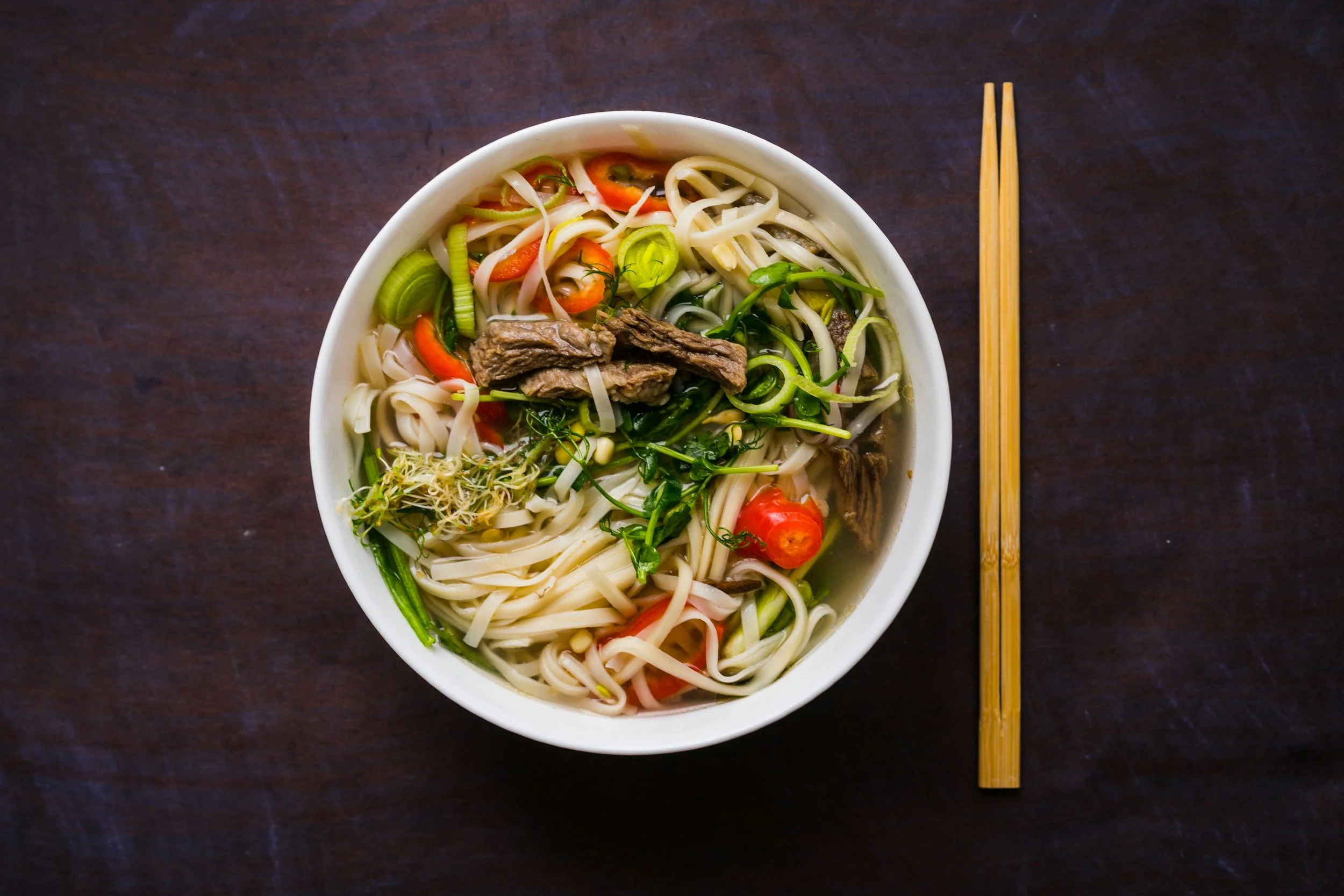
Make the food you do eat count. With less volume, nutrient density matters more than it used to. Warm, cooked, easy-to-digest meals. Think soups, stews, well-cooked grains. These ask less of a Spleen that's already stretched, compared to raw or cold foods.
Protect protein and minerals. These support muscle and bone as your body changes, and they're the first things to slip when appetite drops. These are worth protecting deliberately, not leaving to chance.
Don't skip meals altogether. Reduced appetite is different from no appetite. Small, regular, warm meals support the Spleen far more than long gaps followed by very little.
Expect digestion to need more support, not less. Slower gastric emptying can mean more bloating, reflux, or irregularity for some people. This is a conversation worth having with whoever is prescribing your medication, and it's also exactly where acupuncture and Chinese herbal medicine can help. Supporting Spleen and Stomach function directly, easing digestive discomfort, and helping the body make better use of what it is taking in.
Keep an eye on energy and mood, not just weight. If fatigue, low mood, or that wired-but-flat feeling shows up, it's worth mentioning to your GP and worth treating as real information, not something to push through.
If you're on a GLP-1 medication, or considering one, you don't need to justify that decision to me. What I'm here for is making sure the rest of your system: energy, digestion, mood, and sleep isn't left to fend for itself while your body adjusts to a very different way of eating.
That's a conversation I'm always glad to have, whatever you've decided.