

Acupuncture
What is Acupuncture? How does it work?
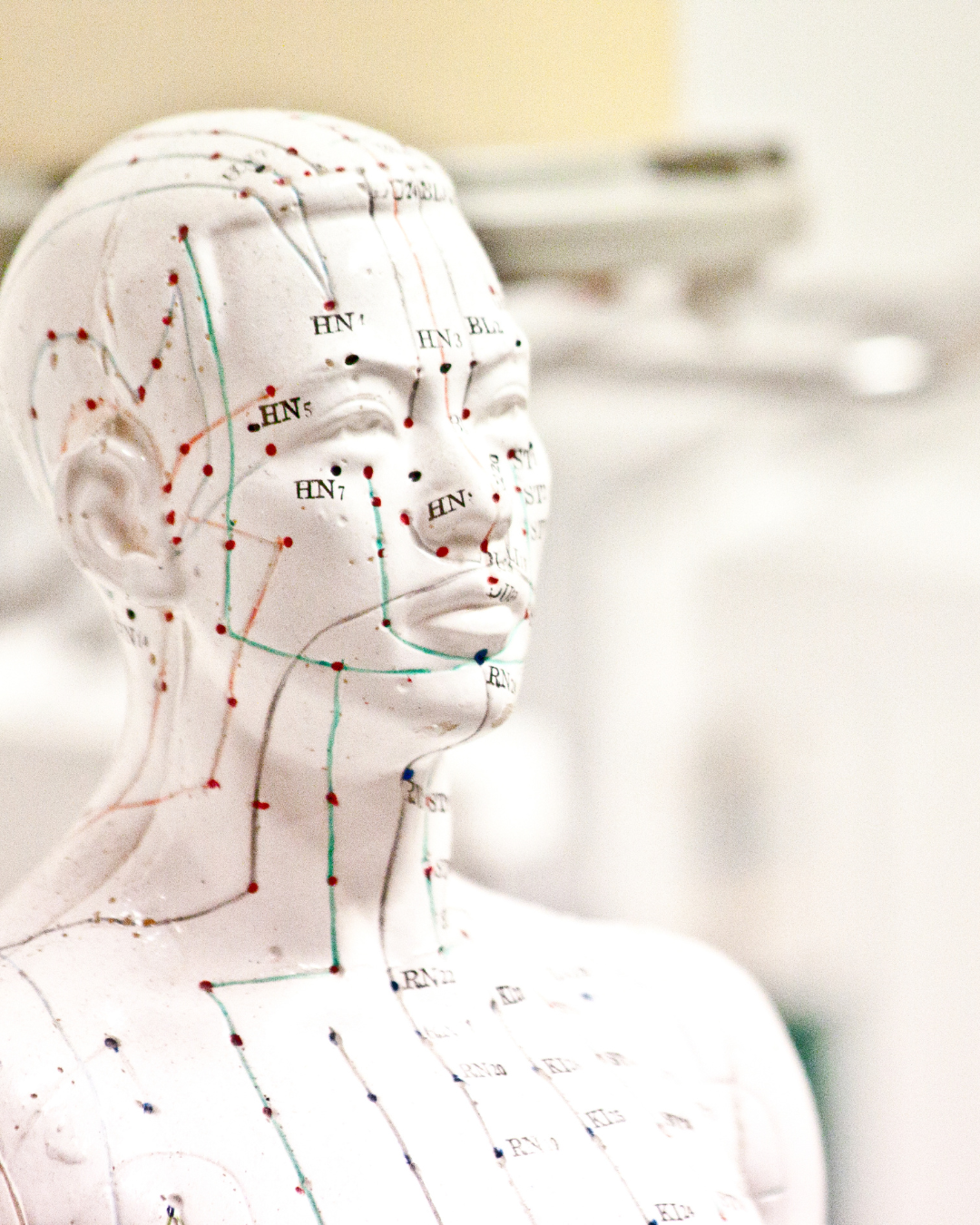
Acupuncture involves inserting thin needles into specific acupuncture points on the body.
According to Traditional Chinese Medicine theory, the body has a network of energy channels called meridians, and acupuncture helps to balance the flow of energy, or Qi, through these meridians. There are 12 meridians and 8 extra ordinary meridians. There are over 364 acupuncture points along the meridian points, which have their own names and functions.
There are also modern theories about how acupuncture works. One theory is that the needles stimulate nerve fibres, which sends signals to the brain to release natural pain-relieving chemicals, such as endorphins [1, 2]. Acupuncture may also stimulate the release of other substances that promote healing, such as serotonin and dopamine [1, 2]. Therefore, by stimulating specific points, acupuncture may help to regulate the flow of these signals, which can promote healing and relieve pain.
While the exact mechanisms behind acupuncture are still being studied, there is growing evidence to support its effectiveness for a range of conditions [2].
What can Acupuncture help with?
Acupuncture can support a wide range of conditions and symptoms, from pain management, musculoskeletal, neurological and digestive disturbances to mental health [3].
In fact, the World Health Organisation (WHO) [3] has a list 31 symptoms, conditions and symptoms that have been shown in randomised controlled trials to be treated effectively by acupuncture:
Pain Management: low back pain, neck pain, sciatica, tennis elbow, knee pain, facial pain, sprains, and pain due to endoscopic procedures.
Musculoskeletal: frozen shoulder, osteoarthritis, and rheumatoid arthritis.
Neurological: bell's palsy, post-herpetic neuralgia, and stroke rehabilitation.
Gastrointestinal: nausea and vomiting (inc. morning sickness), epigastralgia, acute bacillary dysentery, and biliary colic.
Other: adverse reactions to radiotherapy and/or chemotherapy, allergic rhinitis (hay fever), essential & primary hypotension, and depression (including depressive neurosis and depression following stroke).
For a full list please see the following blog.
Other commonly asked questions
-
No. While both techniques use the same needles, dry needling can be learned in a weekend whereas registered Acupuncturists require hundreds of hours training in needling techniques during a minimum 3 year Bachelor degree in Health Science.
Dry needling targets muscle dysfunction caused by 'trigger points' by needling those areas of dysfunction to release tight muscles. Acupuncturists call these areas 'ashi points' and will treat them in a similar fashion.
What is most unique to acupuncture is that we can target and affect areas of the body by needling distally e.g., treating a headache by using points on the hands and feet. In fact, many times we don't even need to needle the sore area to make it feel better. Using acupuncture we can also support other health concerns and not just pain.
-
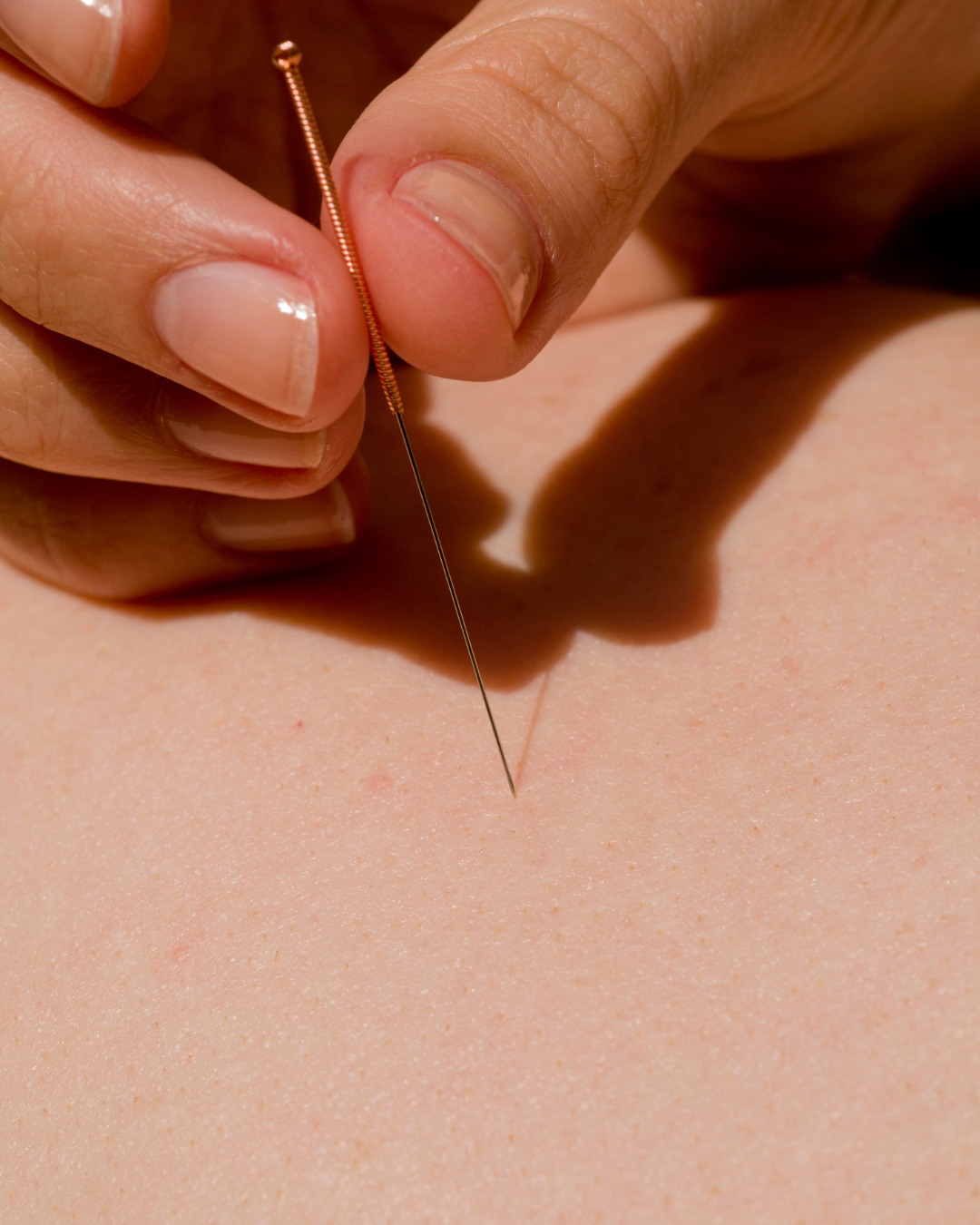
Acupuncture involves the insertion of very thin needles into specific points on the body. Most people experience little to no pain during the treatment. You might feel a slight pinch or pressure when the needle is first inserted, but it is generally minimal and brief. Some individuals describe a mild tingling, warmth, or dull ache around the needle site, which is a normal response. At Wild Heart Acupuncture we take care to ensure the experience is as comfortable as possible. Overall, acupuncture is considered a gentle and minimally invasive therapy.
-
Acupuncture is generally safe when performed by a qualified and AHPRA registered practitioner; but occasionally (as with all health treatments) may be associated with possible adverse reactions in individual cases.
Sterility is a key aspect of safe acupuncture practice. At Wild Heart Acupuncture we use single-use, disposable needles that are discarded immediately after use to prevent any risk of infection. Our clinic also follow strict hygiene protocols, including thorough handwashing and clean treatment environments, to maintain sterilisation standards.
-
Yes, acupuncture can be combined with other therapies. It often complements conventional medical treatments, physical therapy, chiropractic care, massage, and herbal medicine. Always consult with your healthcare provider to ensure that combined therapies are safe and appropriate for your specific condition.
-
Acupuncture during pregnancy is generally considered safe when performed by a qualified Acupuncturist. It may support a range of common pregnancy-related symptoms, such as nausea, back pain, and stress. However, certain points are avoided during pregnancy to ensure safety, so it is important to inform your acupuncturist about your pregnancy before treatment. If you have any concerns, always consult your healthcare provider.
-
Electro acupuncture is generally not recommended for individuals with a pacemaker. The electrical currents used during the treatment could potentially interfere with the functioning of the device, posing safety risks. It is important to inform your acupuncturist and healthcare provider about your pacemaker before starting any acupuncture treatment. They can provide personalised advice and consider alternative therapies that are safer for your condition.
Sources
Fan, Z., Dou, B., Wang, J., Wu, Y., Du, S., Li, J., Yao, K., Li, Y., Wang, S., Gong, Y., Guo, Y., & Xu, Z. (2024). Effects and mechanisms of acupuncture analgesia mediated by afferent nerves in acupoint microenvironments. Frontiers in neuroscience, 17, 1-11. https://doi.org/10.3389/fnins.2023.1239839
Lin, J.G., Kotha, P., & Chen, Y.H. (2022). Understandings of acupuncture application and mechanisms. American Journal of Translational Research, 14(3), 1469-1481.
World Health Organisation. (2003). Acupuncture: Review and Analysis of Reports on Controlled Clinical Trials. World Health Organisation